

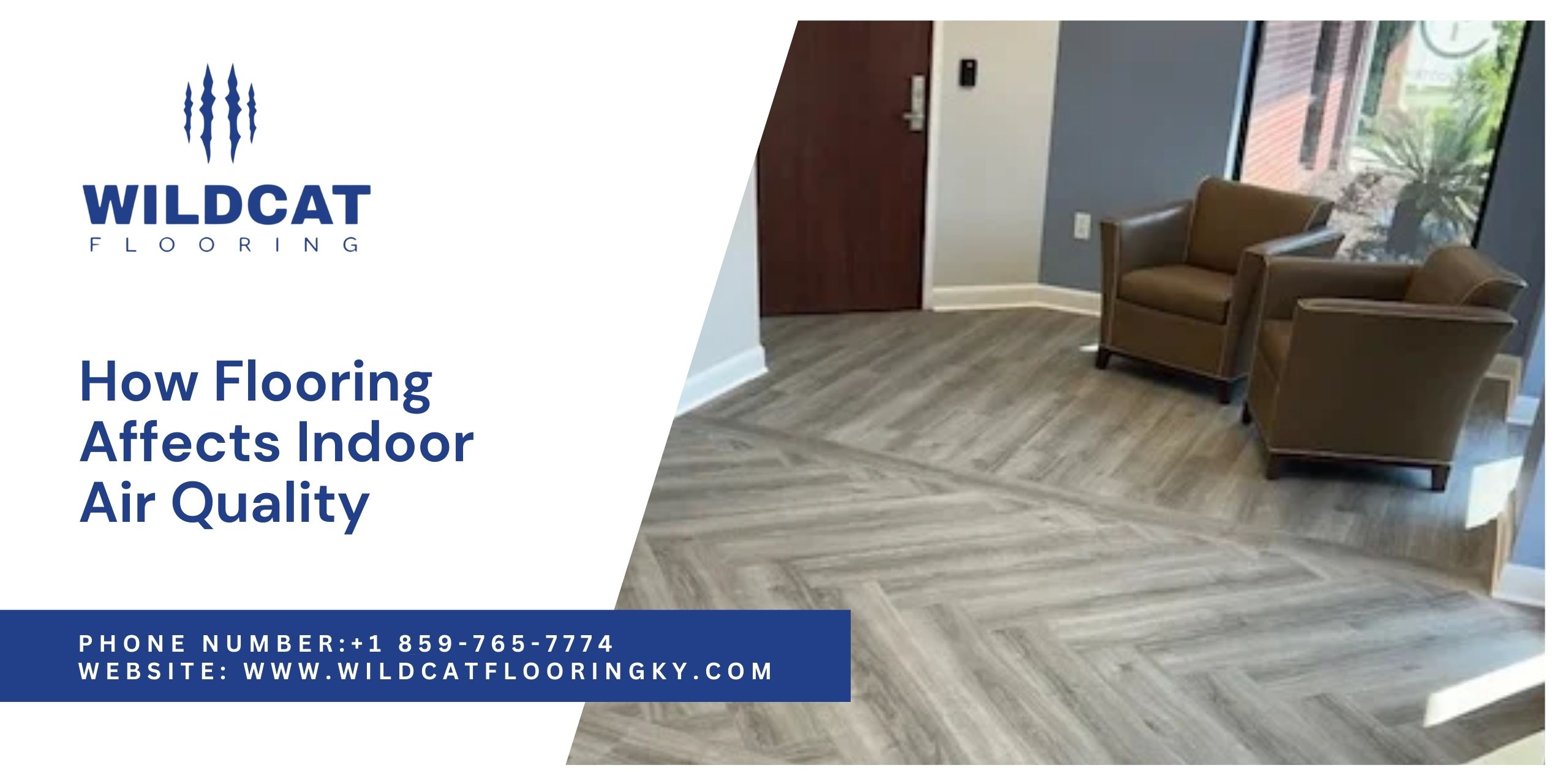
Your home’s indoor air quality affects your family’s health and comfort. From allergens and dust to potentially harmful chemicals, the air in your home can be influenced by many factors, including your flooring. The right flooring option can improve indoor air quality, while the wrong one can release pollutants or trap allergens.
At our Lexington flooring dealership, we help homeowners understand how different flooring materials affect the air they breathe. We want you to know how your floors impact your air quality. Today, we’ll explore how flooring materials affect air quality and offer tips to make healthier choices for your Central Kentucky home.
What Affects Indoor Air Quality?
Indoor air quality is the cleanliness and safety of the air inside your home. Poor air quality can lead to health issues like allergies, asthma or respiratory irritation. Flooring materials make a difference since they can release pollutants or trap harmful particles, including:
- VOCs (Volatile Organic Compounds): Found in some finishes, adhesives and synthetic materials, VOCs can release harmful gases into the air.
- Dust and Allergens: Carpets and porous surfaces can trap dust, pet dander and pollen, contributing to allergies.
- Mold and Mildew: Moisture-prone areas with improper flooring installation can become breeding grounds for mold.
When you buy new flooring, it’s important to shop smart. It can impact you and your family’s health.
Flooring Materials and Their Impact on Air Quality
The flooring material you choose for your home significantly impacts the quality of the air you breathe. Some materials naturally promote better air quality, while others require careful consideration to reduce their impact. Here’s how the most common flooring options stack up:
Hardwood floors
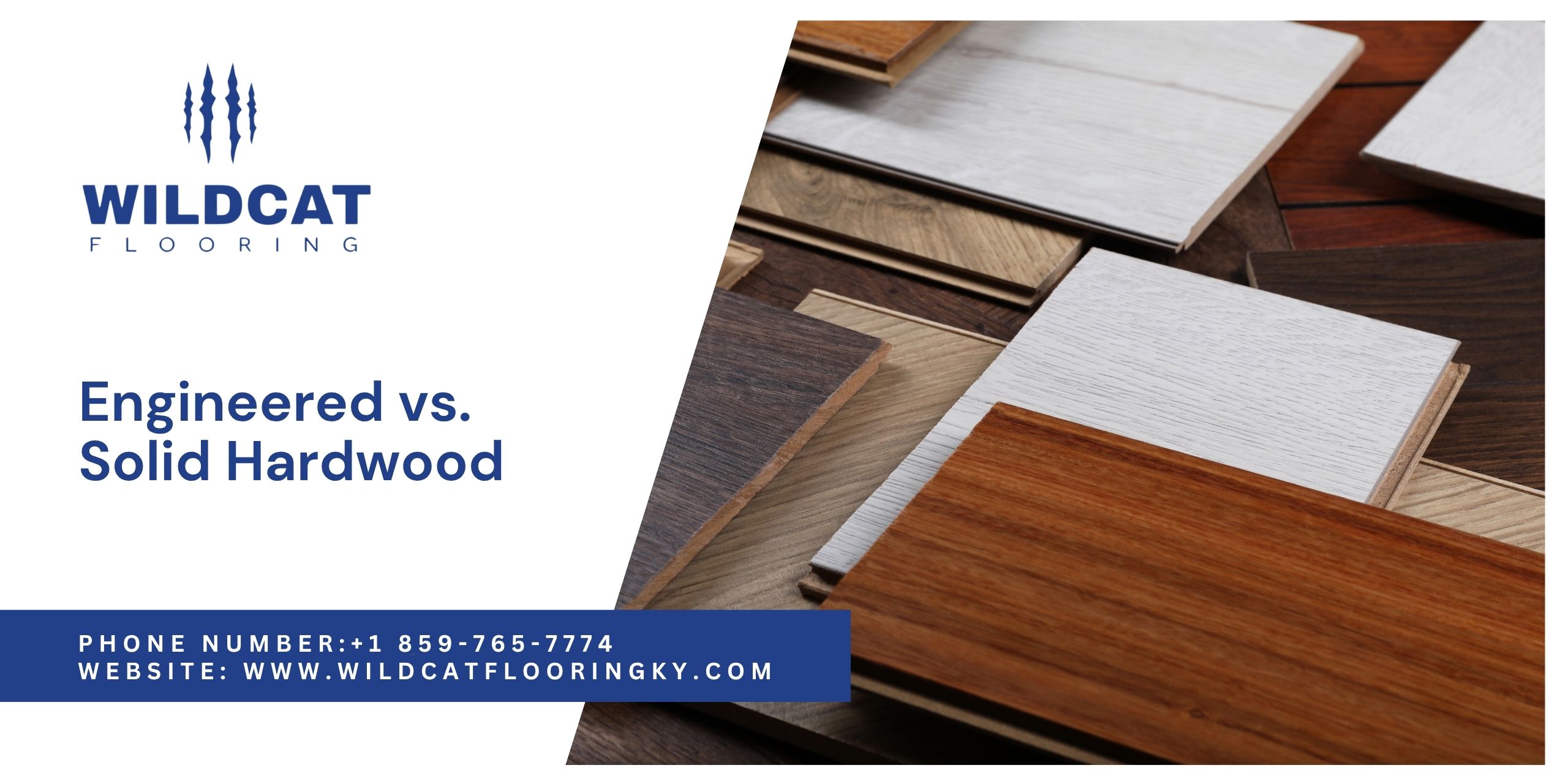
Hardwood floors are naturally hypoallergenic, easy to clean and don’t trap allergens like dust or pet dander. The smooth surface makes it easy to remove particles that would circulate in your air.
However, be aware that some hardwood finishes and adhesives can release VOCs. Choose prefinished or low-VOC finishes to reduce emissions.
Carpet
Modern carpets are low-VOC and more environmentally-friendly. Clean regularly to reduce allergen buildup and benefit from comfort and warmth in bedroom and living spaces.
Unfortunately, carpet can trap dust, allergens and mold without regular cleaning. It’s not great for people with respiratory issues or severe allergies.
Luxury Vinyl Plank (LVP)
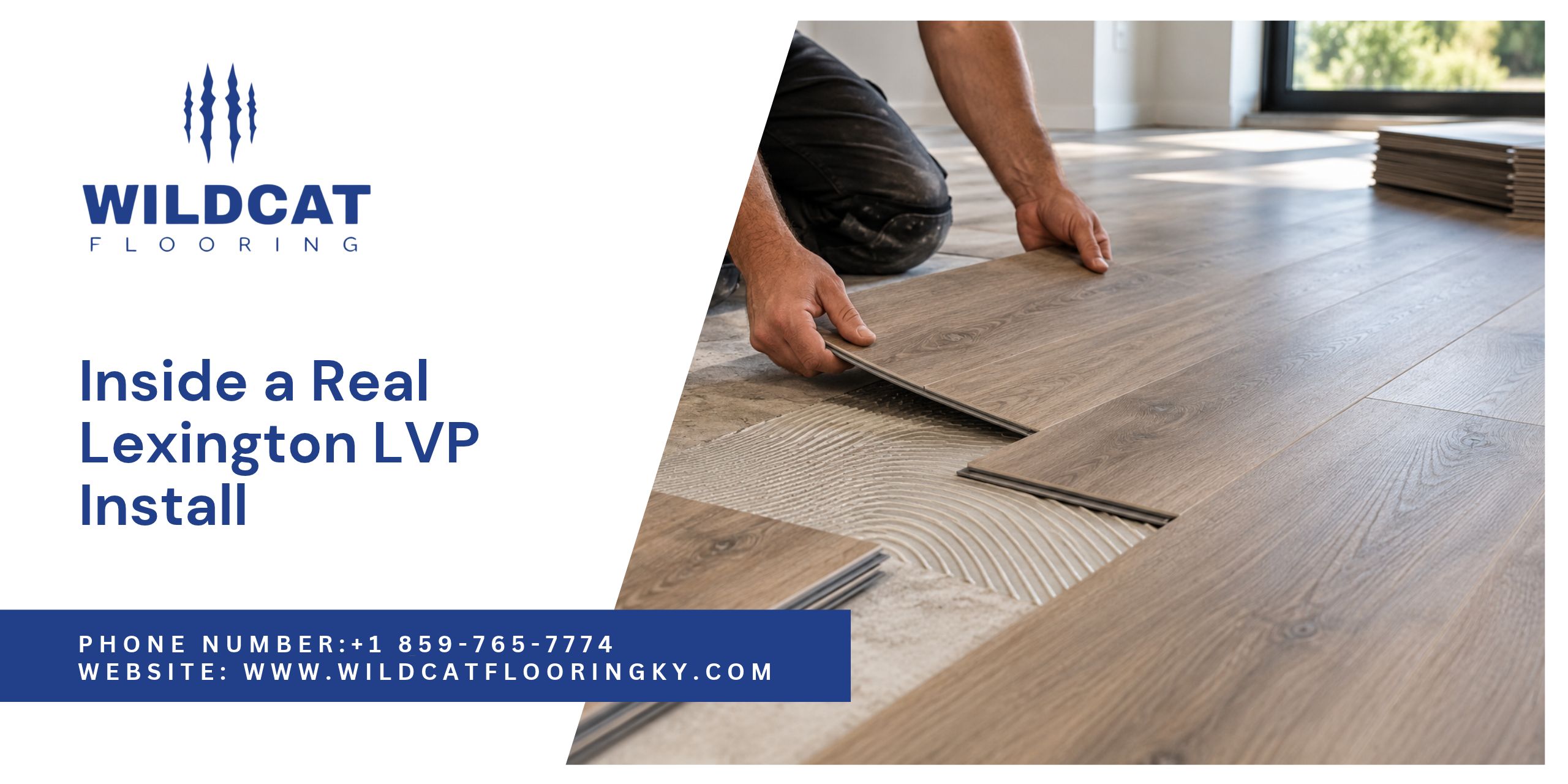
Durable, waterproof and easy to clean, Luxury Vinyl Planks (LVP) are the best low-maintenance flooring options for homes with kids and pets. It’s great for kitchens, bathrooms and other moisture-prone areas.
However, some products do emit VOCs. Look for low-VOC options with a FloorScore certification for better air quality.
Laminate
Easy to clean and doesn’t trap allergens, modern laminate floors are durable and low-maintenance. Many products have low-VOC certifications.
Despite this, lower-quality laminate can emit VOCs, especially from the core that often contains formaldehyde-based resins. Look for CARB Phase 2 compliant or GreenGuard certified laminate to minimize emissions.
Tile
Porcelain and ceramic tiles do not emit VOCs so they are perfect for maintaining indoor air quality. They resists mold and allergens, while being easy to clean.
Just know that grout lines can collect dust and dirt if not sealed and maintained properly. Regular sealing helps keep grout clean and prevents buildup.
The Importance of Low-VOC Flooring
Volatile Organic Compounds (VOCs) are chemicals that naturally evaporate into the air, potentially causing short and long-term health issues. Common sources of VOCs in flooring include adhesives, finishes and synthetic materials.
Why Low-VOC Flooring Matters
Low-VOC flooring options reduce the release of harmful compounds, contributing to better indoor air quality and a healthier living environment. Here’s why low-VOC materials matter:
- Health Benefits: Reduced exposure to harmful chemicals lowers the risk of allergies, asthma and other respiratory conditions.
- Environmental Impact: Low-VOC options are more eco-friendly, using sustainable practice and materials that minimize pollution.
How do you know if you’re buying low-VOC flooring? Look for the following certifications:
- GreenGuard: Ensures the product meets strict chemical emission standards.
- FloorScore: Verifies the flooring contributes to healthy indoor air quality.
- CARB Phase 2 Compliance: Indicates the product adheres to stringent formaldehyde emission regulations.
Choosing low-VOC flooring improves air quality today and is an investment in your family’s long-term health. If you’re ready to explore low-VOC options, contact us to schedule a shop-at-home flooring consultation in Lexington and surrounding areas.
How to Choose Flooring for Better Air Quality
To choose flooring that promotes healthier indoor air quality, consider materials, certifications and installation practices. Here’s how to make the best choice:
Opt for Low-VOC and Hypoallergenic Materials
Choose flooring certified for low VOC emissions like those with GreenGuard or FloorScore labels. Hypoallergenic options like hardwood or tile are less likely to trap dust and allergens.
Prioritize Professional Installation
Proper installation prevents gaps, uneven surfaces or moisture buildup that can lead to mold and mildew. At Wildcat Flooring, we handle everything from subfloor prep to final sealing without cutting corners. Ask about low-VOC adhesives and sealants if required for your flooring choice.
Maintain Regular Cleaning
Use vacuums with HEPA filters and eco-friendly cleaning products to reduce dust and chemical exposure. Seal grout lines on tile floors to prevent dirt accumulation and maintain air quality.
Avoid Overly Porous or Synthetic Materials in High-Moisture Areas
Keep materials that absorb moisture out of kitchens and bathrooms as this can promote mold growth. Opt for waterproof and water-resistant options like tile or LVP.
The Bottom Line
The flooring you choose impacts your home’s indoor air quality. This affects the health and comfort of everyone in your home. At Wildcat Flooring, we advocate for certified low-VOC products to be available throughout Central Kentucky. We help you make informed decisions and install your flooring correctly to prevent issues down the line.
Ready to make an air-friendly choice? Contact us here in Lexington to book a shop-at-home consultation!