

Have you gone shopping for flooring lately? If you have, you’ve likely seen terms like Select, AC3, 20-mil wear layer or PEI 4. It all feels like industry talk. However, those labels are actually shortcuts to understanding how your flooring will look, wear and price out. THe key is matching the grade to your room, amount of foot traffic and moisture levels.
How do you learn about flooring grades and quality? Turn to the flooring support at Wildcat Flooring. We let you compare real samples under your lighting so you can make a confident decision. Let’s talk about what flooring grades actually mean.
What “Grade” Actually Means
Grades determine the appearance and durability of a flooring material. Each category has its own system that answers what the floor will look like after a few Kentucky seasons. Here’s an overview:
- Hardwood uses visual grades (Select, Natural, Rustic) to describe character and color variation.
- Laminate uses the AC rating (AC1-AC5) to measure abrasion resistance.
- Vinyl (LVPl/LVT) uses wear layer thickness (mil) to predict scratch and wear performance.
- Tile uses the PEI rating (1-5) to determine surface hardness and traffic tolerance.
Want to feel the difference between Select oak and Rustic oak or see how a 12-mil vs. 20-mil LVP holds up to a key scratch? Let us bring samples and show you directly on your subfloor.
Understanding Different Flooring Grades
Each flooring material has its own grading system. In other words, each one has a different way of differentiating the look and durability of the material. Here’s what you need to know:
Hardwood Grades: Appearance First, Performance With the Right Build
Hardwood flooring has its own unique grading system. It determines how clean or character-rich the wood looks. Let’s learn more:
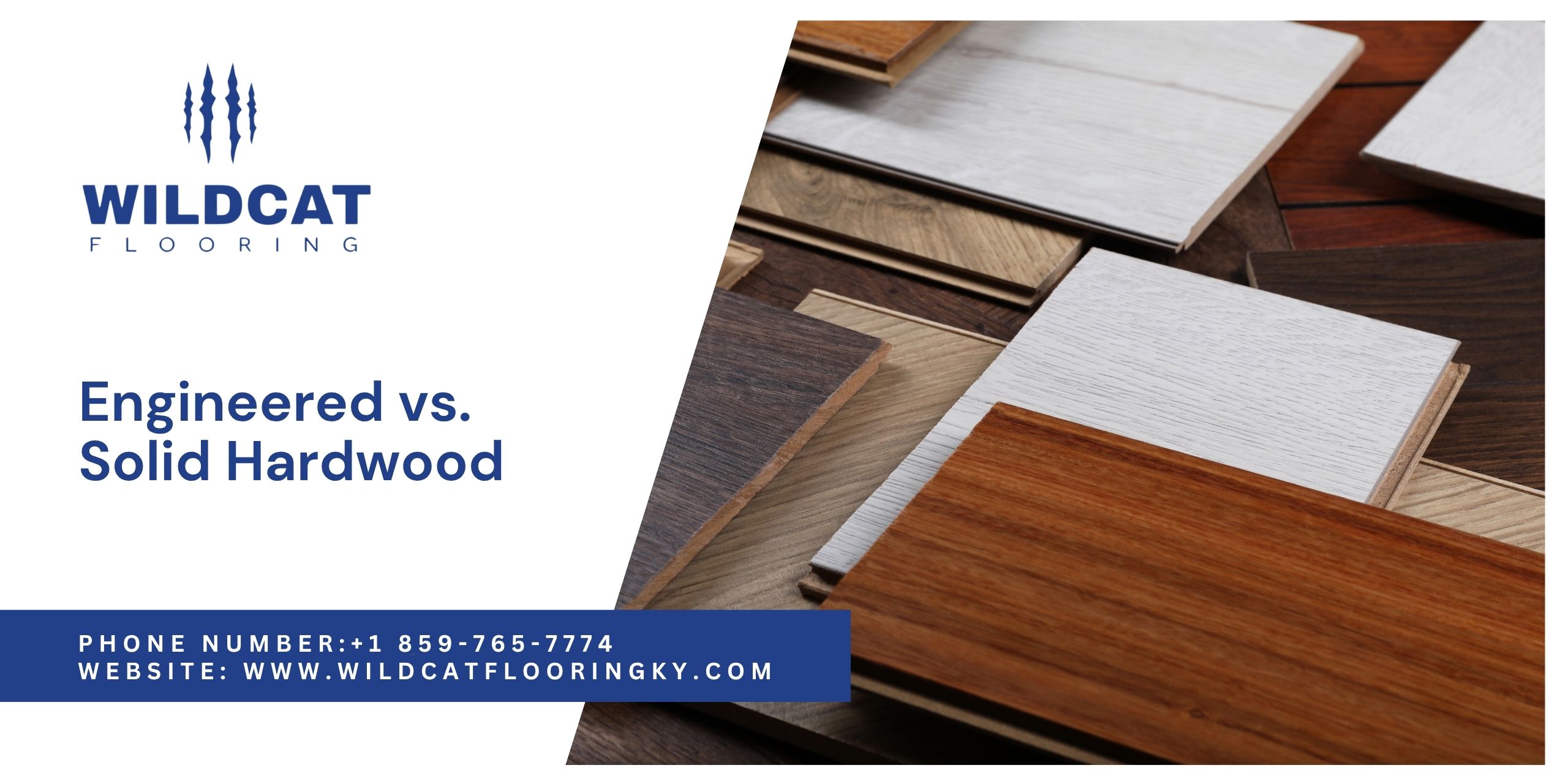
- Select: Planks are clean and uniform with minimal knots and color swing, providing a polished, modern finish.
- Natural/#1 Common: You’ll notice these floors have small and balanced variations that provide a warm, versatile look.
- Rustic/#2 Common: Best for farmhouse or lived-in styles, these hardwood floors lean into knots and color movement.
Living in Lexington, engineered hardwood flooring makes the most sense. It offers more stability in humidity swings. Meanwhile, matte or wire-brushed sheens hide daily wear. Install these floors in living rooms, dining rooms, bedrooms and stairs above grade. For wet zones and below-grade applications, look to other categories.
Laminate Grades: The AC Rating and Where It Fits
Laminate floors are measured by their AC (Abrasion Class) rating. It determines how tough the wear layer is. Here’s how each category measures up:
- AC1-AC2: These floors work in light-use areas like guest bedrooms.
- AC3: Choose this sweet spot if you live in a busy home as it can handle heavy residential and light commercial use.
- AC4-AC5: Using these floors isn’t needed for most homes, but shines in tough areas.
Keeping laminate flooring in dry spaces with a quality underlayment for sound and comfort is recommended. Clean with a damp (not wet) mop. When you’re searching for a convincing wood look without stretching the budget in living spaces, halls and bedrooms, AC3 laminate works best.
Vinyl (LVP/LVT) Grades: The Wear Layer That Saves You Later
Luxury vinyl flooring is graded based on its wear layer. This determines how well it stands up to daily wear. Check out the grades below:
- 6-12 mil: Use in light traffic areas like bedrooms.
- 12-20 mil: Such vinyl floors are a strong all-around choice for most areas.
- 20+ mil: Ideal for pets, rentals or high-traffic spaces, this vinyl flooring is made to last.
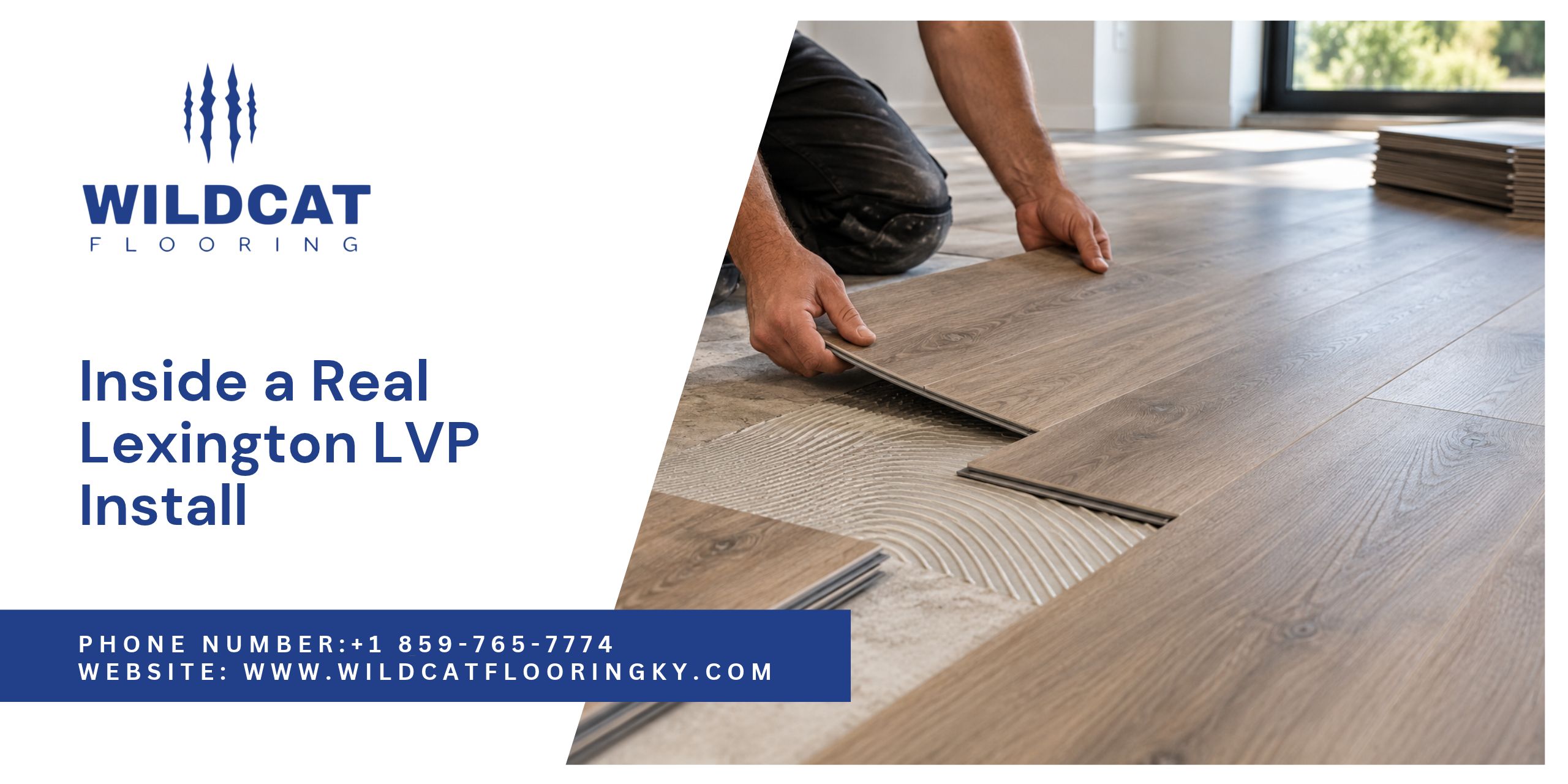
LVP and LVT are waterproof, making them a natural fit for basements, kitchens, baths, laundry rooms and entryways here in Central Kentucky. Want the “is that real wood?” reaction? Choose low-gloss, embossed textures and confirm the wear layer matches your pets and foot traffic levels.
Tile Grades: PEI and the Surface for the Job
Tile flooring is measured by the PEI (Porcelain Enamel Institute). It determines how hard the surface is compared to its counterparts. Here’s an overview:
- PEI 1-2: Walls and very light duty (not everyday floors) can get away with this rating.
- PEI 3: Use these tiles in heavy residential use areas like kitchens and living rooms.
- PEI 4-5: Light to heavy commercial areas as well entryways and mudrooms can benefit from these high-grade tiles.
In Lexington mudrooms and entryways, use slip-resistant porcelain tiles. Pair them with low-VOC setting materials to protect your indoor air quality.
How Grades Change Price, Look and Lifespan
Higher grades come with higher upfront costs, but they deliver cleaner visuals or tougher surfaces. This results in a longer service life with fewer callbacks. Mid-grade options balance cost and durability for most rooms. Lower grades save money upfront, but wear out faster, making them better suited for low-traffic spaces.
Even the best grade won’t perform properly without professional installation. Moisture testing, subfloor flatness to spec, proper underlayment and adhesives and correct acclimation all protect your investment and keep warranties valid.
What to Do Next
Grades aren’t just labels. They act as a roadmap to the right look and lifespan. Want to compare AC ratings, wear layers, PEI and hardwood grades side by side? Wildcat Flooring can help. We will bring samples to your doorstep and give you a clear line-by-line plan for each room.
Ready for new floors that last? Contact us today!